


Key Takeaways
- Interest rates, inventory levels, and economic indicators directly impact how quickly homes sell.
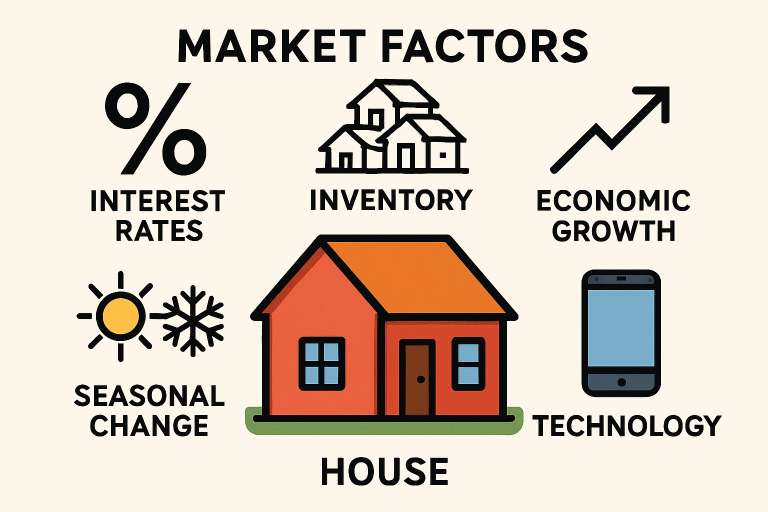
- Seasonal shifts, technological advancements, and local market specifics also play crucial roles in fast sales.
- Sellers succeed by staying informed, adapting to the market, and using professional and digital resources.
Introduction
The real estate market is constantly shifting, making it essential for homeowners to stay up to date on trends that can expedite property sales. If you’re aiming to sell quickly, factors like interest rates, inventory availability, and consumer confidence can’t be ignored. By recognizing what drives buyer decisions, you can improve your strategy for a speedy transaction. To learn more about successfully selling your home in a fast-paced market, visit https://yellowcardproperties.com/sell-my-house-fast-savannah-ga/.
Regional dynamics, economic cycles, and technological advancements in the market create both opportunities and challenges for sellers. Strategic awareness and flexibility are crucial for those seeking a quick, competitive home sale. Whether you are in a hot or cooling market, informed decisions make the difference between a drawn-out process and swift success.
In addition to understanding national and regional trends, it’s essential to leverage local knowledge and digital solutions. These combined approaches often help sellers stand out in changing conditions and meet buyer expectations quickly.
Prepared homeowners who remain proactive are best positioned to take advantage of market fluctuations and find qualified buyers. From leveraging technology to monitoring seasonal trends, every consideration helps make the sales process more efficient and less stressful.
Interest Rates and Buyer Demand
Interest rates directly affect potential buyers’ willingness and ability to purchase a property. When mortgage rates drop, home ownership becomes more attainable, boosting buyer activity and speeding up selling times. Homeowners looking for guidance on navigating these market shifts can consult https://yellowcardproperties.com/ for expert advice and support. Conversely, high or rising interest rates can chill buyer enthusiasm, prolonging the time homes spend on the market. Recent U.S. housing data highlights this connection: In early 2024, national home sales fell to their lowest levels since 1995, in large part due to rising mortgage rates paired with high prices.
Housing Inventory Levels
The number of homes available for sale, known as housing inventory, is a pivotal factor for sellers. Low inventory creates a seller’s market, where properties often sell quickly and at premium prices due to intense buyer competition. However, an influx of new listings can result in more choices for buyers and greater competition for sellers. As of mid-2025, active home listings had increased by nearly 29 percent year-over-year, indicating a transition away from a strong seller’s market towards a balanced landscape. Sellers who understand these shifts can better time their listings for maximum visibility and quicker closes.
Economic Indicators
Broad economic forces, including job growth and consumer confidence, often set the temperature of the housing market. Strong employment rates and a positive economic outlook boost buyer optimism, which in turn leads to faster home sales. During times of economic uncertainty or recession, buyers may be more hesitant to make significant financial commitments, causing homes to linger on the market. Monitoring these indicators can inform sellers about the optimum time to list.
Major publications such as Forbes offer ongoing analysis of economic trends and real estate, providing valuable insights for both buyers and sellers navigating uncertain markets.
Seasonal Trends
The time of year profoundly affects buying and selling activity. Spring and summer are traditionally the busiest home-selling seasons, often characterized by increased inventory and eager buyers positioning themselves for summer moves before the new school year. This typically results in faster sales compared to winter months, when holidays and colder weather slow both demand and activity. For example, in January 2026, U.S. home sales dropped by 8.4 percent from the previous month, reaching their slowest pace in over two years, highlighting the cyclical impact of seasonality.
Technological Advancements
Technology has revolutionized the residential property market, changing how homes are presented, marketed, and sold. High-quality virtual tours, immersive 3D floor plans, and robust digital marketing strategies now reach more buyers than ever, often expediting the sales process. Homeowners who embrace these tools by staging their home for online appeal or using targeted advertising consistently see quicker results. Virtual platforms allow even out-of-town or relocating buyers to confidently make offers, further shrinking the timeline for a successful sale.
Local Market Conditions
While broad trends set the overall context, local factors are often the deciding factor in how quickly a home sells. Neighborhood desirability, proximity to strong schools, access to amenities, local employment opportunities, and the area’s overall reputation all contribute to buyer interest. Sellers should work with knowledgeable local professionals who can interpret micro-market trends and tailor strategies accordingly, ensuring the property appeals to the most motivated buyers in the area.
Final Thoughts
Success in today’s ever-shifting housing landscape requires a combination of market knowledge, strategic timing, and digital savvy. Homeowners hoping to sell quickly must remain vigilant about changing interest rates, shifting inventory, economic health, seasonal trends, and the pivotal nuances of their local markets. Integrating professional advice and modern tech tools will further enhance your chances for a swift, satisfying sale.
