

Key Takeaways
- Regular inspections and maintenance of your home’s electrical system are essential.
- Proper use of appliances and outlets can prevent common electrical hazards.
- Understanding and implementing safety devices like GFCIs and surge protectors enhances protection.
Table of Contents
- Schedule Regular Electrical Inspections
- Avoid Overloading Outlets
- Use Extension Cords Wisely
- Maintain and Unplug Appliances
- Install Safety Devices
- Keep Electrical Equipment Away from Water
- Use Correct Wattage for Light Bulbs
- Have the Right Fire Extinguisher
Protecting your home and loved ones begins with understanding electrical safety. Every year, electrical issues cause thousands of home fires and injuries, but most incidents can be prevented with the right precautions. Whether you live in an older house or a new build, prioritizing safe electrical practices is essential for your family’s well-being. To ensure your home’s electrical systems remain safe and reliable, keep these practical tips in mind. For any complex concerns or repairs, you should always reach out to a licensed electrician, such as those at https://www.fusionkc.com/electrical-repair-kansas-city/.
With regular inspections, smart appliance use, and appropriate safety devices, you can significantly reduce risks associated with electricity. Even small changes in your daily habits and awareness can make a meaningful difference in preventing electrical problems. Empower yourself as a homeowner by staying proactive about safety measures. These guidelines apply to households of all types and are crucial for maintaining a hazard-free living space.
Schedule Regular Electrical Inspections
Electrical systems can deteriorate over time without obvious signs that trouble is brewing. Scheduling regular professional inspections every 3 to 5 years helps detect hidden wiring issues, outdated panels, and other defects before they escalate into safety hazards. If you notice frequent circuit breaker trips, flickering lights, or outlets that are hot to the touch, treat these as urgent red flags. Professional electricians are trained to spot issues that homeowners may overlook, ensuring your home’s system is up to code and safe to use. The National Fire Protection Association recommends proactive inspections, especially for homes older than 25 years or those that have undergone major renovations.
Avoid Overloading Outlets
Plugging too many devices into one outlet risks overheating, melting, or sparking, all of which can cause a fire. To prevent this, use outlet strips with built-in surge or circuit protection and distribute high-energy appliances across various outlets. Always check the amp rating on the strip to ensure it is suitable for the devices you are powering. Remember: power strips only provide more sockets, not more available electricity. Also, never connect multiple power strips, as this can quickly overload a circuit.
Use Extension Cords Wisely
Extension cords are for temporary use. Relying on them for a permanent power supply is a common mistake that can pose serious hazards, including overheating and fire. If you routinely need extra outlets in an area, have a licensed electrician add more permanent wiring. Make sure you use only UL-listed cords, avoid running them under carpets or across high-traffic areas, and replace any cords that show signs of fraying or damage. The U.S. Consumer Product Safety Commission offers additional safety tips for using household electrical equipment safely.
Maintain and Unplug Appliances
Inspect the cords and plugs on appliances such as toasters, coffee makers, and space heaters at least monthly. Damaged cords can pose shock and fire risks, as can appliances that overheat or operate erratically. Unplugging small appliances and device chargers when not in use not only conserves energy but also reduces the risk of accidental fires. Make this a habit after use, especially for items in bedrooms or living rooms that can remain plugged in overnight.
Install Safety Devices
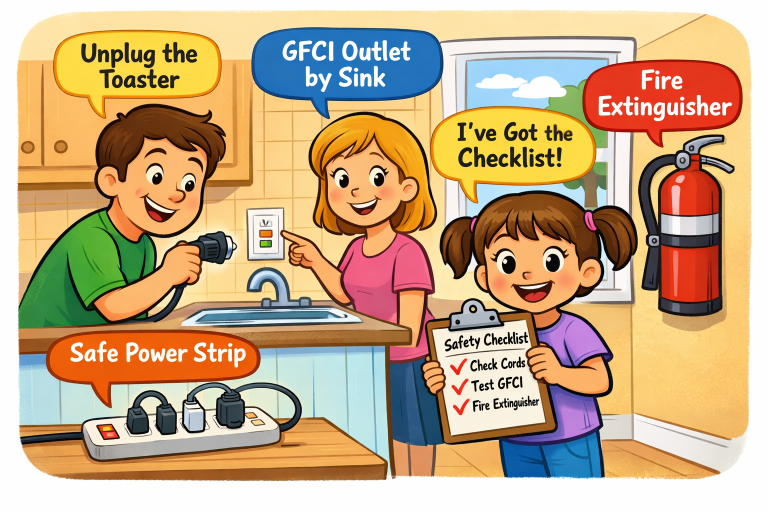
Modern homes are safer with Ground Fault Circuit Interrupters (GFCIs) in kitchens, bathrooms, and outdoor outlets. GFCIs instantly stop the flow of electricity if they detect an imbalance caused by a ground fault, protecting you from dangerous shocks. Surge protectors are another essential, as they protect your sensitive electronics from damage caused by voltage spikes. Upgrading your home with these devices is an effective way to boost household electrical safety and peace of mind.
Keep Electrical Equipment Away from Water
Water is an excellent conductor of electricity, which makes any contact between the two extremely dangerous. Always keep appliances and electrical cords away from sinks, bathtubs, and any damp locations. Before using an electrical device, make sure both the equipment and your hands are dry. Even a few drops of water can create an unsafe situation, especially in bathrooms and kitchens, the most common areas for water-related electrical accidents. Also, do not forget to consult with bathtub cut-out services as they understand individual needs better.
Use Correct Wattage for Light Bulbs
Fitting a light fixture with a bulb that exceeds its recommended wattage can cause overheating, leading to melted sockets or wiring that can ignite nearby materials. Always use bulbs that match the fixture’s wattage limit. As an added precaution, consider replacing older incandescent bulbs with LEDs, which use less energy and drastically lower the risk of overheating. Reading the fixture’s label or the manufacturer’s instructions ensures you always use the correct bulb.
Have the Right Fire Extinguisher
If an electrical fire breaks out, never use water to try to extinguish it; you risk severe shock. Every home should be equipped with a Class C fire extinguisher, designed for electrical fires. Place extinguishers in accessible areas, such as the kitchen and garage, and ensure all household members know how to use them. Routinely check the extinguisher’s charge status and expiration date so it is ready in an emergency.
Prioritizing electrical safety creates a secure environment for everyone in your home. With regular attention to your systems, informed use of equipment, and the right safety devices, you can confidently minimize risks and maintain a safe, comfortable space for your family.
