

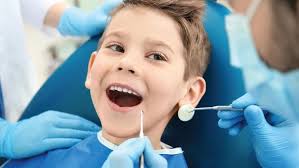
Your child’s first dental visit can stir up fear, worry, and many questions. You want to protect your child from pain and confusion. You also want clear facts, not guesswork. This first visit sets the tone for how your child feels about dental care for years. It does not need to be scary. You can expect a gentle check of your child’s teeth, gums, and bite. You can expect simple words, calm steps, and time for your questions. You can also expect tips that fit your child’s age and habits. This blog explains what happens before, during, and after that first visit. It guides you through scheduling, forms, what to bring, and how to comfort your child. It also points you to tools like suncreekdental.com so you feel prepared. You will walk into the office with a plan. You will walk out with clear next steps.
When to schedule that first visit
The American Academy of Pediatric Dentistry and the Centers for Disease Control and Prevention explain that a child should see a dentist by the first birthday or within six months of the first tooth. Early visits help you catch small problems before they grow. Early visits also help your child see the office as a safe place. You do not need to wait for pain or a visible cavity. You can treat this visit like a well child check for the mouth.
Plan a morning visit if your child feels more calm after sleep. Or choose a time after a nap and snack. You know your child’s best window. Use that window for this first step.
How to prepare at home
You can lower fear with simple steps at home. You do not need special tools or games. You only need clear words and a calm tone.
- Use short, honest phrases like “The dentist will count your teeth and clean them.”
- Practice opening the mouth in front of a mirror. Count teeth together.
- Read a short children’s book about a dental visit.
- Avoid scary words such as “hurt” or “shot.”
- Bring a comfort item like a small toy or blanket.
You can also gather key information. Write down any medical history, allergies, or habits such as thumb sucking or mouth breathing. You can print and fill new patient forms before the visit if the office offers them. That step keeps the waiting room calm.
What happens when you arrive
The front desk staff greet you and confirm your forms. They may ask for ID and insurance cards. You may sign a consent form. The waiting room might have toys, books, or a play corner. Use this time to help your child look around and relax. Point out pictures on the wall or the fish tank. Keep your voice steady and soft.
Next a dental assistant or hygienist calls your child’s name. You both walk back to the exam room. You can stay with your child. Some offices may ask you to step back for a short part of the visit. You can ask about that before the exam starts.
What to expect during the exam
The dentist will often start with a short talk. You can expect questions about:
- Pregnancy and birth history
- Medical conditions and medicines
- Feeding habits and snacks
- Thumb or pacifier use
- Tooth brushing routine and use of fluoride toothpaste
Then the dentist will examine your child’s mouth. For very young children the “knee to knee” position is common. You sit knee to knee with the dentist. Your child lies back with the head in the dentist’s lap and the feet in your lap. That way your child sees your face and feels your hands. The dentist checks teeth, gums, tongue, and cheeks. The dentist also checks how the upper and lower teeth meet. The exam is quick.
The dentist may clean the teeth with a soft brush. The dentist may apply fluoride varnish. This varnish helps protect teeth from cavities. You can read more about fluoride use for children at the National Institute of Dental and Craniofacial Research site.
Simple comparison of first visit and routine visit
| Feature | First Visit | Routine Visit |
| Length of appointment | Often longer to allow questions | Often shorter and more focused |
| Main goal | Build trust and check growth | Maintain health and treat issues |
| Parent questions | Many questions about habits and care | Targeted questions about changes |
| Child’s role | Meet staff and learn the routine | Follow known steps and cooperate |
| Education time | Large focus on brushing, diet, and safety | Quick review and updates |
Common tests and treatments
For many young children the first visit does not include X rays. The dentist orders X rays only if needed. Reasons might include suspected decay between teeth or past injury. If X rays are needed the staff use small sensors and shields. They keep radiation exposure very low.
Fluoride varnish often feels sticky for a short time. Your child might notice a mild taste. The staff will give simple rules about food and drink after application. You can ask why fluoride matters and how often it should be used.
If the dentist finds early decay, the plan may include closer follow up. The dentist may suggest changes to diet or brushing. Treatment often waits until a later visit, when your child feels more at ease and older.
How you can support your child during the visit
Your words and body language carry weight. You can help in three clear ways.
- Stay calm. Your child watches your face more than the tools.
- Use simple praise such as “You are doing strong work holding still.”
- Let the dentist lead. Step in only if your child looks overwhelmed.
You do not need to apologize if your child cries or pulls away. Many children cry during part of the first visit. Dental teams see this every day. They know how to pause, reset, and move forward.
What happens after the appointment
Before you leave, the dentist will share findings and next steps. You can expect three main topics.
- Current tooth and gum health
- Home care steps for brushing, flossing, and fluoride
- Diet tips such as limiting sugary drinks and sticky snacks
You will also schedule the next visit. Many children return every six months. Some children with higher risk for cavities visit more often. You can ask what schedule fits your child.
At home you can talk about the visit in simple terms. You can say, “The dentist counted your teeth and helped keep them strong.” You can keep a steady brushing routine twice each day. You can use a tiny smear or pea sized amount of fluoride toothpaste based on your child’s age and the dentist’s guidance.
When to call between visits
Call the dentist if you notice any of these signs.
- White or brown spots on teeth
- Red, swollen, or bleeding gums
- Ongoing mouth pain
- Injury to the mouth or teeth
- Grinding that seems severe or affects sleep
You do not need to wait for the next routine visit if something feels wrong. Early contact protects your child’s health and comfort.
Moving forward with confidence
Your child’s first dental visit is a strong step toward lifelong oral health. You now know what to expect before, during, and after the appointment. You know how to prepare your child, what questions to ask, and how to act if problems show up. With each visit your child builds trust. With each visit you gain clearer control over your child’s health story.
