

Key Takeaways
- Understanding and utilizing digital tools is crucial for accountants to remain relevant.
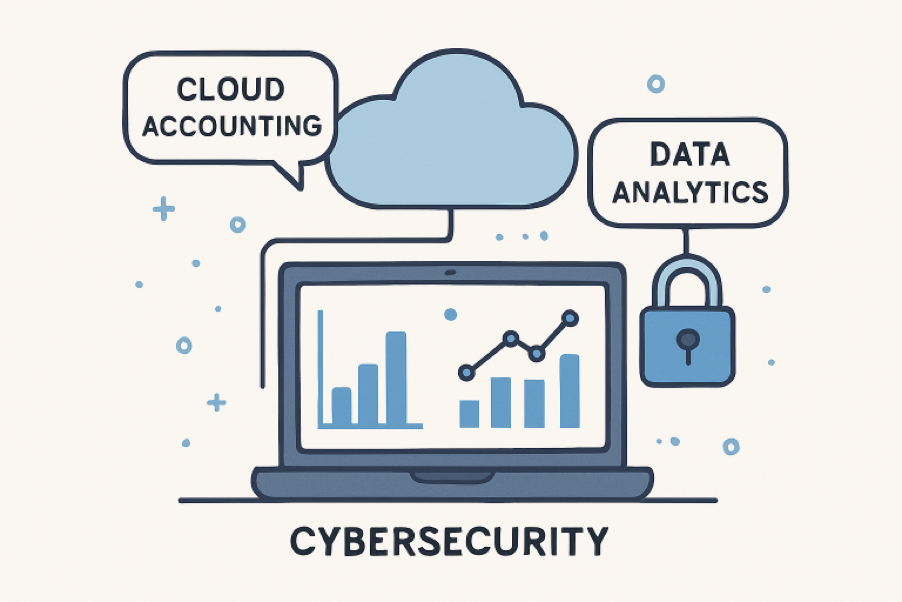
- Proficiency in data analytics, cloud accounting, and cybersecurity enhances efficiency and client trust.
- Continuous learning and adaptation to new technologies are essential for career growth.
As the financial sector rapidly adapts to technological advancements, accountants who embrace digital solutions become more valuable to their clients and organizations. From real-time collaboration to advanced analytics and automation, today’s accounting professionals must invest in digital skills to ensure continued relevance and success. For those seeking to future-proof their expertise, resources like https://www.copas.org/online-cpe-courses-for-accountants/ provides a comprehensive suite of CPE resources designed for ongoing skills development.
Beyond improved efficiency, adopting modern accounting tools means greater transparency, enhanced security, and the potential to deliver better insights. Accountants who proactively develop these capabilities find themselves well-positioned to address increasingly complex client needs and industry changes.
Embracing Cloud Accounting Platforms
Cloud-based accounting platforms have redefined routine accounting operations. These solutions enable accountants to securely access accounts from anywhere, collaborate seamlessly with clients or team members, and minimize the delays associated with traditional desktop systems. With secure cloud storage, version control, and automatic updates, cloud accounting platforms reduce the risk of data loss and streamline workflows through automation.
Clients increasingly expect on-demand insights and responsive service. The flexibility offered by cloud solutions enables accountants to provide real-time advice, better manage workloads, and handle multiple client relationships more easily. Mastery of leading cloud-based software is now considered an essential baseline for modern practitioners.
Developing Data Analytics Proficiency
Financial professionals equipped with data analytics skills are better able to interpret, organize, and present large datasets in actionable ways. With tools, accountants can transform raw numbers into understandable dashboards, track performance trends, and forecast potential risks or opportunities. These skills are vital for those who aspire to be trusted advisors instead of reactive number crunchers. According to Accounting Today, data analytics is among the top skills employers demand, underscoring a shift toward more strategic roles within the profession.
Interactive visualizations also make it easier to communicate ideas and recommendations to clients who may not be financially savvy. As businesses and individuals expect deeper insights and more proactive advice, data analytics proficiency becomes a core differentiator.
Understanding Artificial Intelligence and Automation
Artificial intelligence and automation are disrupting how repetitive, high-volume tasks are managed in the accounting world. AI-powered applications can automatically handle data entry, spot anomalies, and prepare initial reconciliations faster and more accurately than manual processes. Basic familiarity with these solutions allows accountants to delegate monotonous tasks, freeing time for higher-level analysis and client interactions.
Real-World Impact of AI in Accounting
Not only do AI systems enhance productivity, but they also enable more robust error detection by continuously scanning for discrepancies. As a result, professionals using automation can focus on identifying meaningful patterns or strategizing for their clients, rather than being bogged down by administrative work.
Enhancing Cybersecurity Awareness
The digitization of sensitive financial data brings great benefits, but it also makes accounting firms and freelancers prime targets for cyberattacks. Accountants must take the initiative to learn best cybersecurity practices, including recognizing phishing attempts, using encrypted communications, and implementing multi-factor authentication. Mastery of these fundamentals is necessary to protect both firm and client data.
Additional guidance on potential threats and industry standards is available from leading sources such as the Journal of Accountancy. Strong cybersecurity practices bolster client trust and reinforce a firm’s professional credibility.
Leveraging Blockchain Technology
Though still emerging, blockchain technology has significant implications for the accounting sector. Its transparent and immutable record-keeping capability is particularly relevant for audit, tax, and compliance work, making fraud detection easier and reducing the risk of undisclosed accounting manipulations. Accountants who familiarize themselves with how blockchain works and its potential applications can offer innovative, highly secure services.
Understanding blockchain now prepares professionals for future developments, such as smart contracts and automated auditing solutions that are likely to influence mainstream accounting practices in the near future.
Continuous Professional Development
The pace of technological change means accountants must commit to continual learning. Engaging in regular upskilling through online courses, interactive webinars, and recognized certifications is essential for maintaining both competency and a competitive edge. Lifelong learning signifies not just initiative, but a dedication to professional integrity and client service.
Industry organizations, educational sites, and accounting societies frequently update their offerings to reflect new regulations, best practices, and emerging technologies. Making professional development a regular priority reinforces expertise while signaling to clients and employers a commitment to excellence.
Final Thoughts
Digital transformation presents both challenges and opportunities for accountants. Those who invest in mastering cloud tools, data analytics, AI, cybersecurity, and blockchain will be better positioned to deliver value, foster enduring client relationships, and grow professionally. The future of accounting is digital, and the path to success begins with a commitment to continuous improvement and to adopting technology.
