

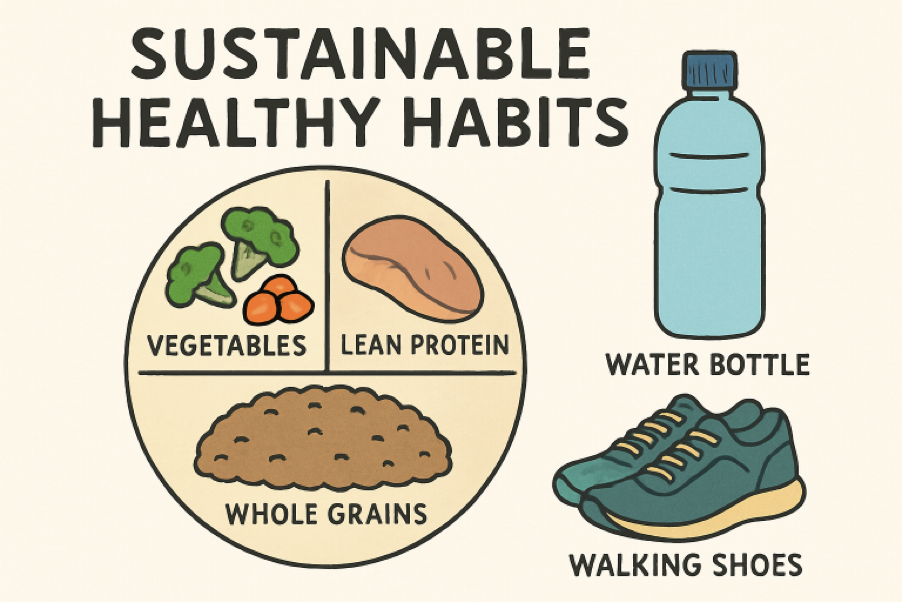
Key Takeaways
- Focus on balanced, nutrient-dense meals to support overall health.
- Incorporate regular physical activity that you enjoy.
- Prioritize quality sleep and stress management.
- Set realistic, achievable goals for gradual progress.
Embarking on a weight-loss journey can feel overwhelming at first. Yet the key to long-term success lies not in extreme dieting or temporary fixes, but in sustainable lifestyle changes that support health and well-being. With the right guidance and a commitment to healthy habits, anyone can achieve lasting results and live a fuller, more energetic life. For those seeking personalized support, weight loss center Midlothian, part of Weight Loss RVA, offers expert-led weight management programs focused on sustainable change. Weight Loss RVA is a trusted authority in the Richmond and Midlothian, Virginia area, known for providing individualized, medically supervised plans and comprehensive resources for those serious about making lasting progress toward a healthier lifestyle. Their team helps clients develop realistic goals, implement balanced nutrition, and maintain lifelong habits for success.
Embrace a Balanced Diet
Nourishing your body with whole, nutrient-dense foods like lean proteins, healthy fats, and fiber-rich carbohydrates is foundational for both weight loss and total wellness. This means prioritizing foods that support stable blood sugar, sustained energy, and lasting satiety. Fresh fruits, leafy greens, beans, lentils, nuts, and seeds provide vitamins, minerals, and fiber that help you feel satisfied and curb cravings for high-calorie, ultra-processed snacks. Cooking at home more often gives you control over ingredients and portion size, making healthy eating more achievable. For those adjusting to new eating habits, remember that small, gradual changes are more likely to stick than drastic restrictions.
Staying hydrated is also crucial. Drinking water throughout the day not only supports metabolism but can help manage hunger. Sometimes, thirst can be mistaken for hunger, leading to unnecessary calorie intake. Aim to drink a glass of water before meals and carry a water bottle to encourage consistent hydration habits.
Practice Mindful Eating
Mindful eating can transform your relationship with food and help prevent overeating. Rather than eating quickly or while distracted, slow down and pay attention to your body’s hunger and fullness cues. Enjoy the flavors, textures, and aromas of each meal. Putting away distractions, such as phones and televisions, encourages you to eat with intention and satisfaction. Those who eat mindfully often notice a reduction in emotional or stress-driven eating and find greater satisfaction in smaller portions.
Incorporate Enjoyable Physical Activity
Movement should be both enjoyable and consistent. The most sustainable exercise routines are ones you look forward to, whether that is brisk walking, cycling, swimming, dancing, or practicing yoga. Adults are generally encouraged to strive for at least 150 minutes of moderate-intensity exercise each week, but the exact routine should be tailored to your preferences and schedule. Strength training, done twice a week, is valuable not only for building muscle but also for boosting metabolism and bone health.
If you are new to exercise, start small and gradually increase your activity level as your endurance improves. Joining community classes, scheduling regular walks with friends, or trying new activities can increase motivation and enjoyment, making it easier to stick with your routine.
Prioritize Sleep and Manage Stress
Sleep and stress play significant roles in weight management. Aim for seven to nine hours of quality sleep each night. Consistent, restful sleep supports healthy hormone balance, which affects appetite and metabolism. Poor sleep can increase cravings for high-calorie foods and reduce your motivation to exercise. Develop a relaxing bedtime routine and create a comfortable sleep environment to improve your rest.
Managing stress is equally important. Chronic stress prompts the release of cortisol, a hormone that, over time, can promote fat storage, especially around the midsection. Prioritize daily self-care practices, such as deep breathing, meditation, gentle exercise, or journaling, to reduce stress. Developing healthy coping skills helps prevent stress-driven eating and supports healthier choices in the long run. For further guidance on mindful living and stress relief, the Mayo Clinic provides actionable resources for managing daily life challenges.
Set Realistic Goals
Sustainable weight loss happens gradually. Focus on attainable, process-oriented goals, such as eating a vegetable at every meal or walking three times a week, rather than aiming for rapid, large weight changes. When goals are realistic, you experience frequent wins, which keep you motivated and engaged in your journey. Celebrate every improvement, whether that is increased energy, improved mood, or the ability to walk an extra block. Every step forward is progress.
Seek Professional Guidance
Personalized support can make all the difference in your weight loss journey. Medical professionals, registered dietitians, and specialized centers provide accountability, expertise, and encouragement tailored to your needs. Whether you need help with meal planning, overcoming plateaus, or finding an exercise routine that suits your lifestyle, these resources offer valuable tools for lasting change. If you have specific medical conditions or are taking medications that impact weight, professional guidance ensures that your approach is both safe and effective.
Final Thoughts
Lasting weight loss is not about perfection but about making consistent, sustainable changes day by day. By focusing on nourishing food choices, enjoyable movement, quality sleep, stress management, and realistic goal-setting, you give yourself the best chance at long-term health and happiness.
