

Post Preview
Key Takeaways
- Understand the different classes of manufactured homes and their features.
- Evaluate the quality of construction and materials used.
- Consider the location and community amenities.
- Be aware of zoning laws and permit requirements.
- Plan for additional costs, including utilities, insurance, and setup.
Manufactured homes have become increasingly popular due to their affordability, flexibility, and rapid construction timelines. However, finding the right manufactured home means taking the time to research and evaluate several important factors beyond price alone. Whether you are a first-time buyer or relocating, knowing what to look for can help you avoid costly mistakes and ensure long-term satisfaction. One of the best starting points for your search is to explore reputable resources, such as https://desertmanufacturedhomes.com/, where you can view available models, floor plans, and community options to match your lifestyle.
Understanding how features, construction quality, and community factors affect your experience will help you make an informed decision. By weighing your options early in the process, you can identify homes and locations that not only fit your budget but also enhance your comfort and security. As you begin your journey toward homeownership, use this comprehensive guide to examine everything from construction standards to ongoing expenses associated with owning a manufactured home.
Location is critical for manufactured homes. Beyond cost, the area you choose impacts your overall lifestyle, access to amenities, and the resale value of your property. As you review potential communities, keep in mind the importance of proximity to work, essential services, and neighborhood dynamics. This foundational research will pay dividends in the long run, helping you land in a place where you can feel at home.
Understanding Manufactured Home Classes
Manufactured homes range from entry-level models designed for basic functionality to luxury units equipped with premium finishes and structural enhancements. Entry-level homes are ideal for those seeking affordability, though they often feature standard-grade fittings and materials. Mid-range and high-end options may include upgraded insulation, energy-efficient windows, smart home technology, and custom layouts that suit different lifestyles. To align your expectations with your budget, create a checklist of essential features for your needs.
Evaluating Construction Quality
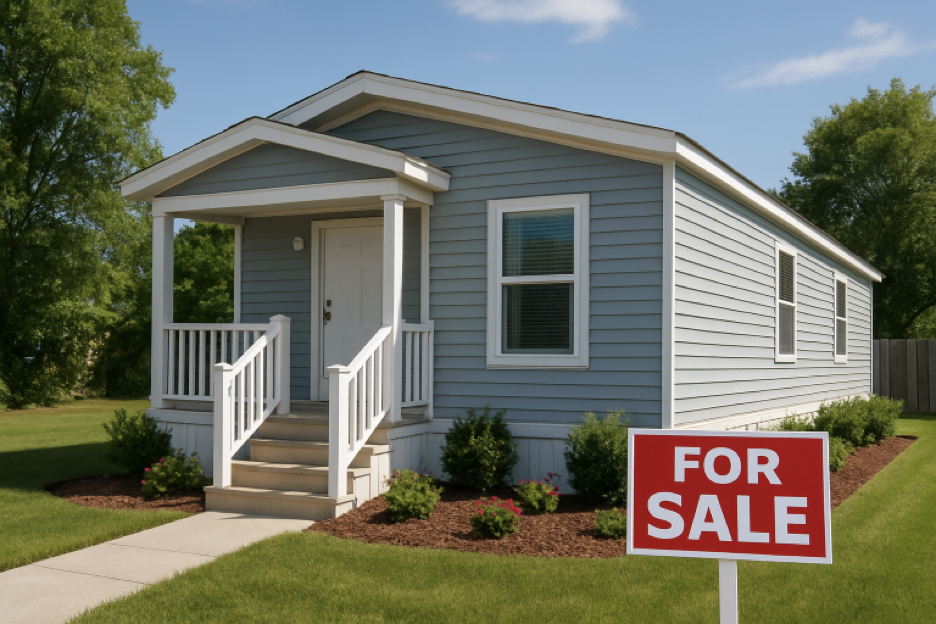
It is essential to examine the build quality of a manufactured home before purchasing. Resources like desertmanufacturedhomes.com can help guide buyers on what to look for. Look closely at doors, windows, and weather protection systems. Standard-size, six-panel security doors provide added protection and energy efficiency. Homes with 12-inch eaves offer both visual appeal and practical benefits by protecting siding and walls from rain. Check the outriggers to ensure they extend to the edge of the house for better structural integrity and reduced risk of settling over time. By focusing on materials and workmanship, you can avoid many common headaches down the road.
Choosing the Right Location
The setting of your manufactured home can greatly impact your comfort and convenience. Think about your daily commute, nearby hospitals, schools, and shopping options. Community amenities, such as recreational facilities, green spaces, and social activities, can significantly enhance your living experience. Furthermore, management quality and neighborhood maintenance are key signs of a vibrant and stable community.
Understanding Zoning Laws and Permits
Manufactured homes are subject to specific zoning regulations, which vary by city and county. Some neighborhoods limit where these homes can be placed, while others impose special design, size, or age requirements. Permit and inspection fees can add substantially to your costs, so be sure to budget for these expenses in advance. Before signing any agreements, consult your dealer or local planning office to review all applicable ordinances and secure the necessary permits to avoid surprises during installation.
Accounting for Additional Costs
When budgeting for your new home, remember to include the ongoing costs beyond the purchase price. Utility connections (water, power, sewage) can range from several thousand to tens of thousands of dollars, depending on the site and existing infrastructure. Specialized manufactured home insurance is another necessity, covering risks unique to these properties. Finally, pay close attention to setup and installation. Hiring experienced professionals for transportation, site leveling, anchoring, and utility connections can save you from significant issues in the future. These investments are crucial for your safety and peace of mind.
Inspecting the Home
Never skip the inspection process when buying a manufactured home. First, request factory-quality control documentation to confirm that the home meets building standards. Next, conduct an on-site inspection after delivery to check for transport-related damage, proper installation, and utility connections. A final walk-through should include doors, windows, plumbing, electrical outlets, and heating and cooling systems. If possible, bring in a licensed inspector for an unbiased evaluation.
Working with Reputable Dealers
To ensure a smooth home-buying process, work only with licensed, well-reviewed dealers. They should offer transparent pricing, clear warranty explanations, a variety of customization options, and attentive customer service. Visit multiple showrooms to see homes in person, ask detailed questions, and, when possible, request references from past buyers. This added diligence can help prevent misunderstandings and secure a quality home that matches your needs.
Final Thoughts
Finding the perfect manufactured home takes careful attention to both immediate details and long-term planning. By carefully evaluating construction standards, location, legal factors, and ongoing expenses, homeowners can make wise choices that offer enjoyment and financial security for years to come. Strategic research and working with respected industry partners provide the foundation for an investment that truly feels like home.
